China Ball valve manufacturer,factory and supplier-Ball valve
 info@shxvalve.com info@shxvalve.com

A jacketed ball valve is a quarter-turn rotary control valve equipped with a full-coverage thermal insulation jacket outside the standard valve body. Different from ordinary ball valves that only realize fluid on-off and regulation, its dual-layer composite structure separates the process fluid channel and the temperature-control medium circulation channel completely without mutual interference. The inner jacketed ball valve body undertakes fluid conveying and sealing control, while the outer jacket serves as a closed circulation cavity for heating or cooling media.
The core working principle of jacketed ball valve consists of two independent operating systems. First, the basic fluid control principle: the valve stem drives the precision spherical core to rotate 90 degrees, completing full opening, full closing and flow regulation of the process pipeline, featuring straight full-bore flow channel and ultra-low fluid resistance. Second, the constant-temperature insulation principle: the external jacket is equipped with independent medium inlet and outlet ports. The circulating thermal medium continuously heats or insulates the valve body wall, keeping the temperature of the internal process fluid stably within the set working range. This design thoroughly solves common industrial problems such as medium crystallization at low temperature, high viscosity leading to difficult switching, pipeline blockage and residual material scaling, ensuring smooth fluid conveying and flexible valve operation in variable ambient temperature environments.
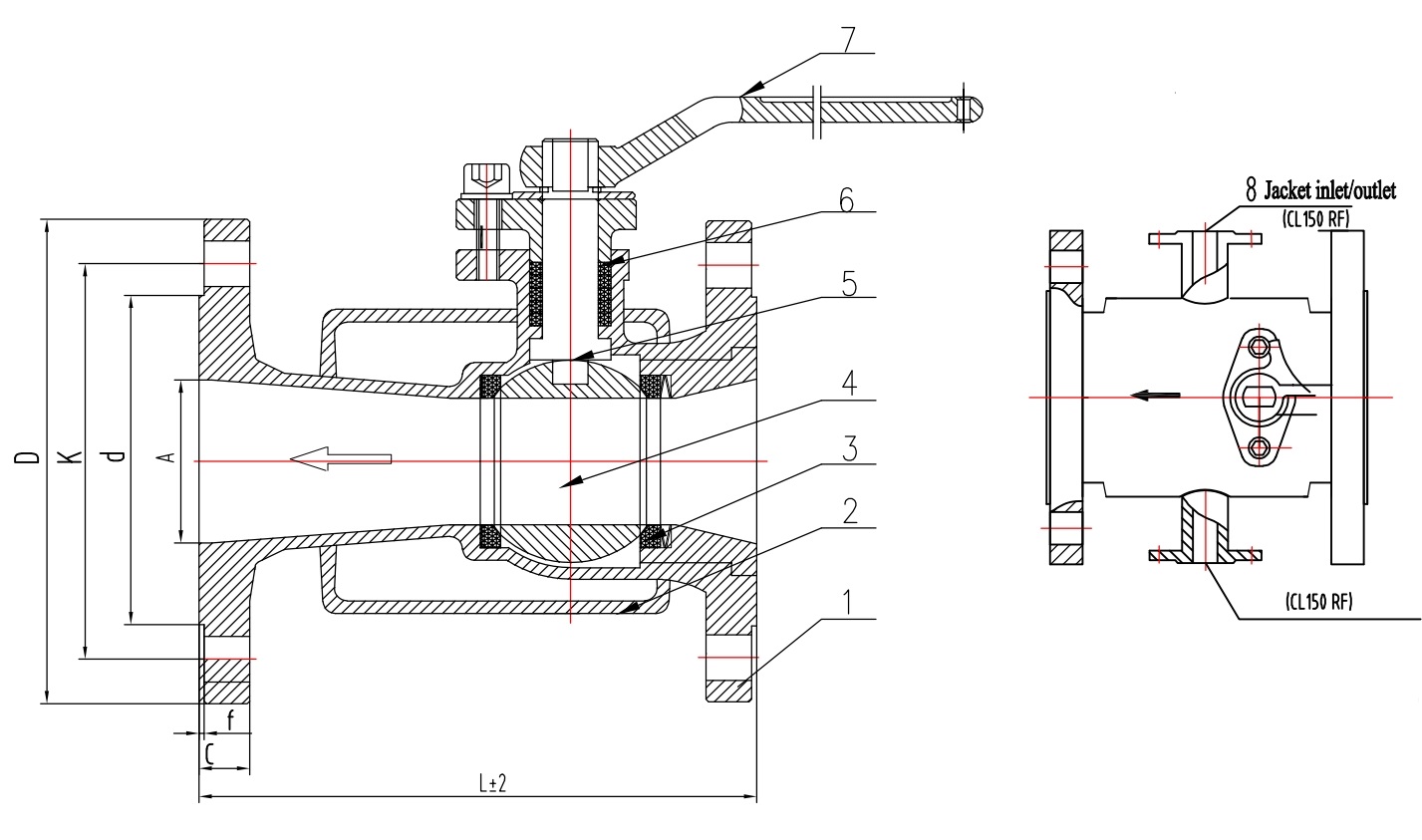
The jacketed ball valve adopts a unique double-layer composite integrated structure, composed of an inner pressure-bearing valve body, spherical core sealing assembly, valve stem transmission mechanism, external thermal insulation jacket, temperature-control medium inlet and outlet joints, and driving actuator. The internal structure ensures fluid sealing and flow control performance, while the external jacket structure undertakes constant-temperature insulation functions. The two systems cooperate efficiently to achieve dual advantages of stable fluid control and accurate temperature maintenance.
1 Inner Pressure-Bearing Valve Body
The inner valve body is the main pressure-bearing component, integrally cast or forged from high-strength carbon steel (WCB/A105) or stainless steel (304/316L) according to working conditions. It bears pipeline system pressure and medium scouring force, with excellent structural rigidity, pressure resistance and impact resistance. Adopting integral one-piece or three-piece split structure, it effectively avoids medium leakage and structural deformation. The internal flow channel is polished smoothly with no throttling dead zones, ensuring low-resistance and high-efficiency fluid conveying, fully consistent with the fluid passage performance of standard industrial ball valves.
2 External Thermal Insulation Jacket
The thermal jacket is the core differentiated component of the jacketed ball valve, formed by precision welding of high-quality metal plates on the outer wall of the valve body to create a fully enclosed interlayer cavity. It adopts an all-round wrapping design covering the valve body and flange connection part, realizing comprehensive temperature control without dead angles. Two standard interface ports are reserved on the jacket wall for the inlet and outlet of heating or cooling media, supporting unidirectional circulating flow of steam, hot water, thermal oil and cryogenic coolant. The welded seal is tight and reliable, preventing leakage of temperature-control media. The integral jacket structure features uniform heat conduction, fast temperature response and stable thermal insulation effect.
3 Precision Ball Core & Sealing Assembly
The valve is equipped with high-precision floating or fixed ball cores, divided into O-type cut-off ball core and V-type regulating ball core. The O-type full-bore ball core ensures straight-through large-flow conveying with minimal pressure loss, suitable for pipeline full opening and full closing cut-off working conditions. The V-type ball core forms equal-percentage flow characteristics during rotation, with strong shear capacity for viscous, fibrous and impurity-containing media, realizing precise stepless flow regulation. The sealing system adopts high-temperature resistant soft seal (PTFE, RPTFE) or hard alloy hard seal, with pressure self-sealing compensation function, achieving zero leakage under rated working conditions and adapting to high-temperature and high-viscosity medium working environments.
4 Valve Stem & Transmission Mechanism
The valve stem is integrally forged from high-strength anti-corrosion stainless steel, with excellent torsion resistance and fatigue resistance. It adopts anti-drop tenon limit connection with the ball core, realizing zero-gap synchronous transmission and avoiding slipping and jamming during frequent switching. The valve stem only performs 90-degree rotary motion without axial displacement, effectively reducing packing wear. The multi-layer high-density packing sealing structure prevents external medium leakage, ensuring long-term stable operation of the transmission system under constant-temperature working conditions.
5 Driving & Temperature Control Matching Device
Jacketed ball valves support multiple driving modes including manual, worm gear, pneumatic and electric, adapting to on-site manual operation and remote automatic control. Equipped with a visual opening indicator and mechanical limit locking device, it can accurately display the valve operating state and fix the working position. It can be matched with external temperature sensors and automatic temperature control systems to realize linkage adjustment of circulating medium flow, achieving intelligent constant-temperature control of process fluid.
1 Installation Precautions
Before installation, inspect the valve body, jacket welding seam and internal flow channel to confirm no damage, welding leakage and sundry adhesion, and verify that the valve specification, pressure grade and material match the working conditions. Thoroughly clean welding slag, rust and impurities in the pipeline to avoid scratching the sealing surface. The valve has no fixed flow direction limit and supports arbitrary angle installation. When installing the jacket medium interface, confirm the inlet and outlet direction to ensure smooth circulating flow of temperature-control media. Flange bolts shall be fastened diagonally and evenly to prevent valve body deformation and sealing failure. After actuator installation, conduct full-stroke debugging to ensure accurate 90-degree rotation without jamming and over-travel.
2 Daily Maintenance Rules
Regularly inspect the jacket welding seam and interface joints for leakage of heating or cooling media to ensure stable circulating temperature. Periodically check the valve stem packing and sealing pair for medium leakage, and replenish lubricating grease for transmission parts to ensure flexible switching. For pipelines easy to scale and crystallize, regularly open and close the valve to flush residual media in the flow channel and avoid long-term deposition blockage. During low-temperature shutdown, keep the jacket circulating medium in working state to prevent residual medium solidification. For long-term idle valves, clean the internal flow channel thoroughly and store them in a dry and dust-proof environment.
3 Common Faults & Troubleshooting
Medium crystallization blockage: Caused by insufficient jacket temperature or poor medium circulation, solved by increasing the temperature of circulating thermal medium and unblocking the jacket pipeline. Switching jamming: Resulting from local medium thickening or insufficient lubrication, eliminated by proper heating and supplementary lubrication. Jacket medium leakage: Mostly caused by loose interface joints or welding seam aging, repaired by tightening joints and secondary welding reinforcement. The jacketed ball valve has simple failure types and low comprehensive maintenance cost.
1. Confirm medium characteristics: Select full-wrapping jacket type for easy-crystallizing and high-viscosity media; choose segmental jacket type for conventional anti-solidification working conditions to control cost.
2. Match temperature control requirements: Select steam circulation jacket for high-temperature anti-crystallization working conditions; adopt hot water or thermal oil circulation for medium-temperature constant-temperature working conditions; configure low-temperature coolant jacket for cryogenic anti-solidification scenarios.
3. Determine functional type: Choose O-type cut-off jacketed ball valve for pipeline on-off control; select V-type regulating jacketed ball valve for precise flow regulation of viscous and impurity-containing media.
4. Select driving mode and material: Adopt pneumatic type for explosion-proof working conditions; electric type for remote automatic control; select stainless steel material for corrosive media and carbon steel for conventional industrial media.
Full jacketed ball valve structure:
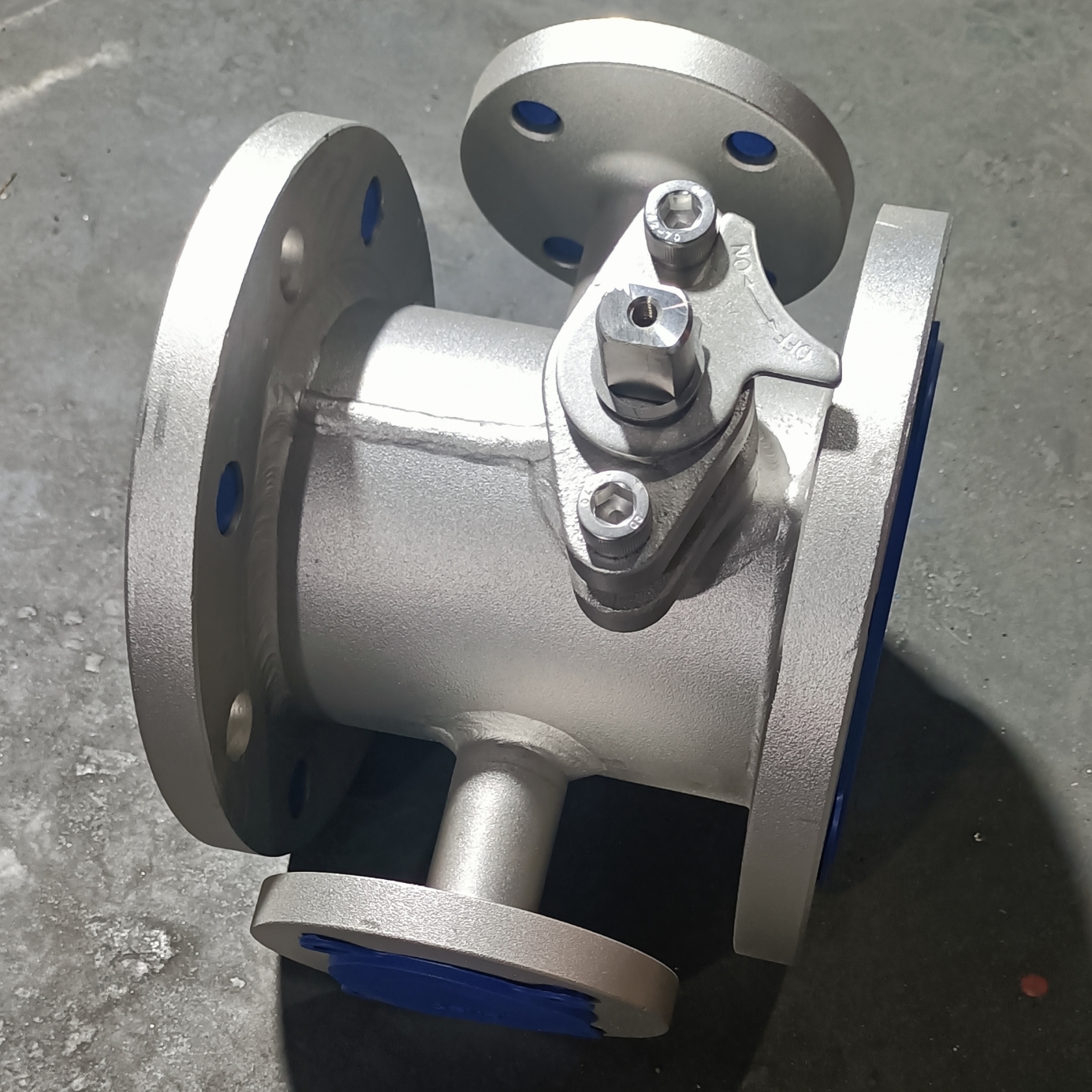
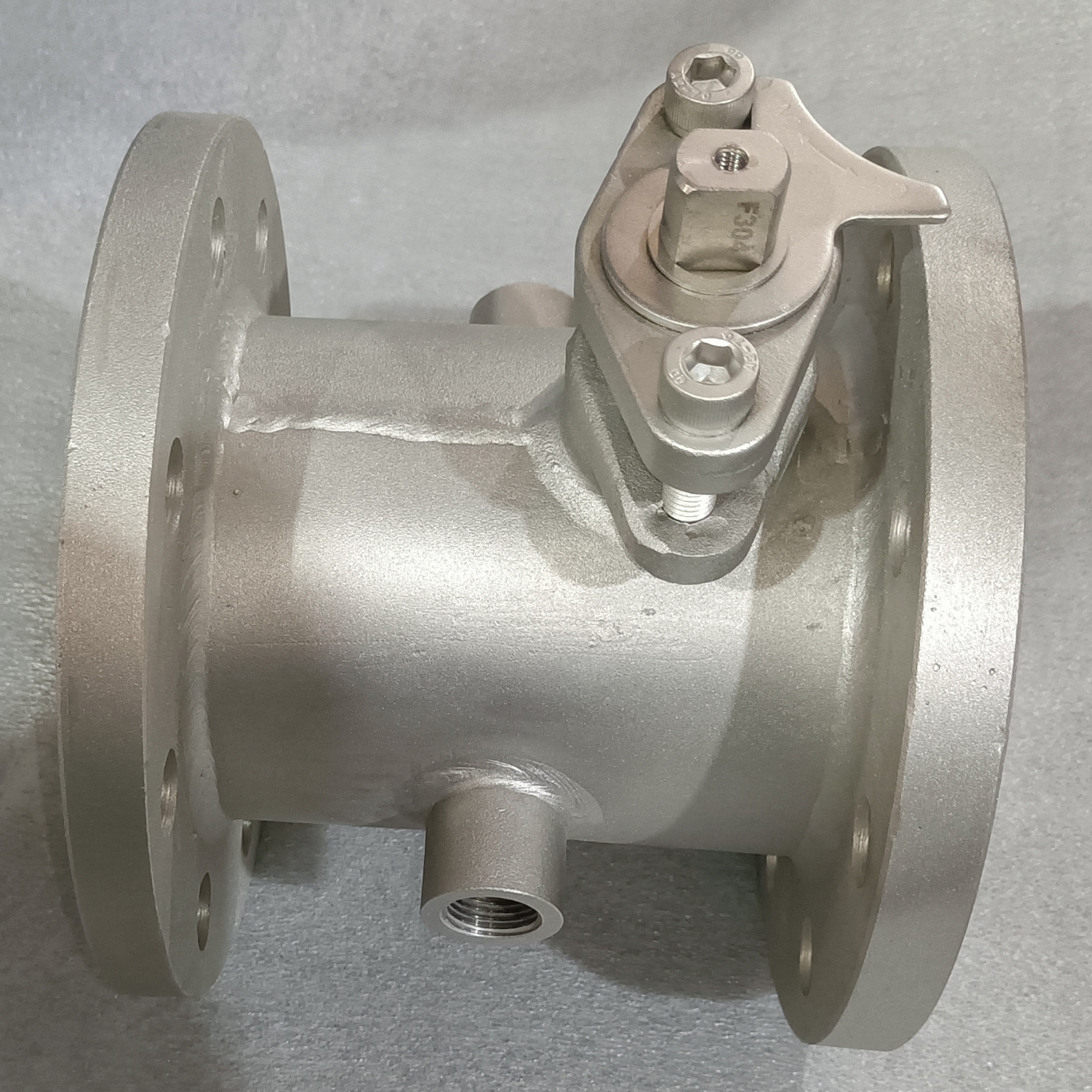
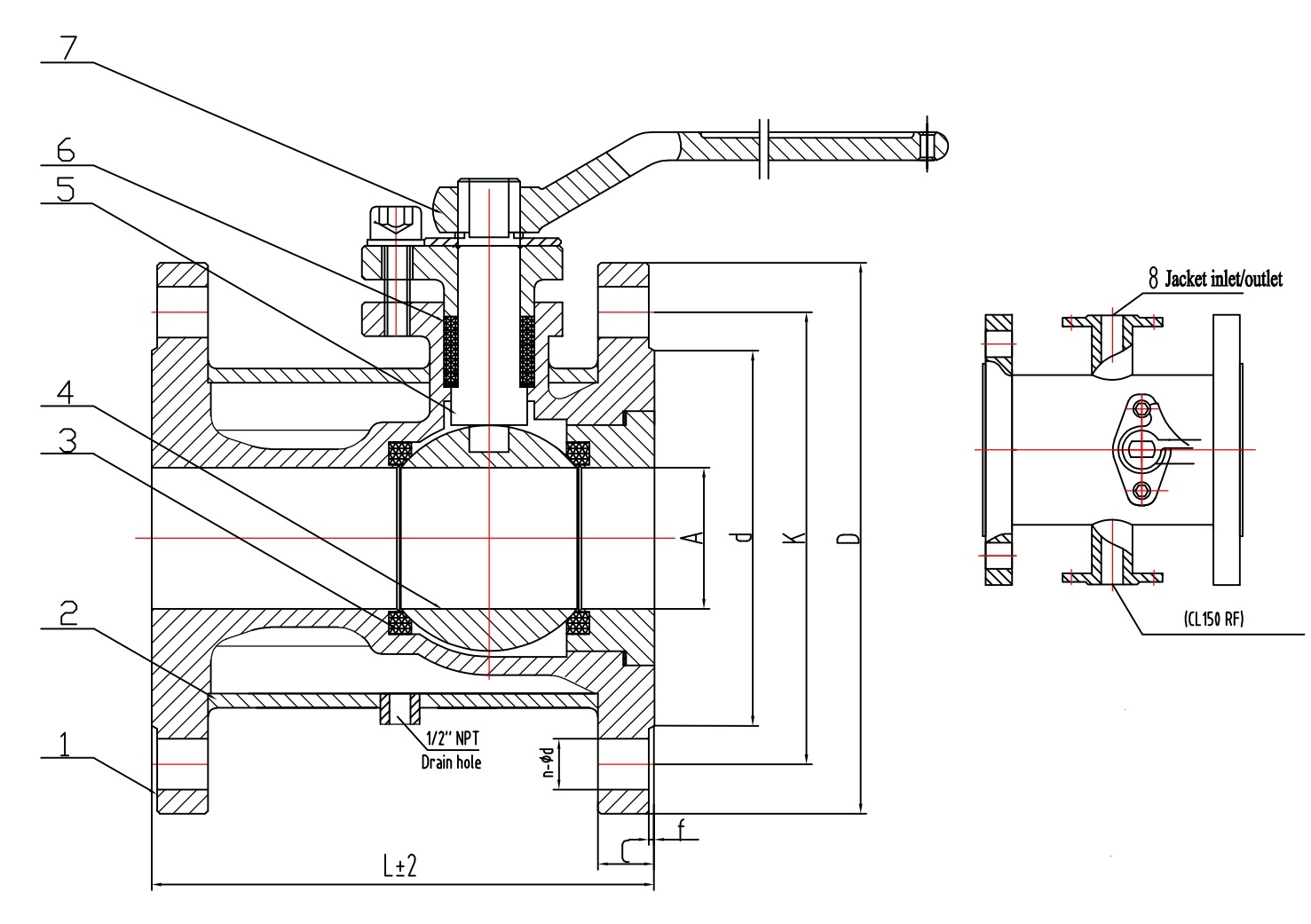
Half jacketed ball valve structure:
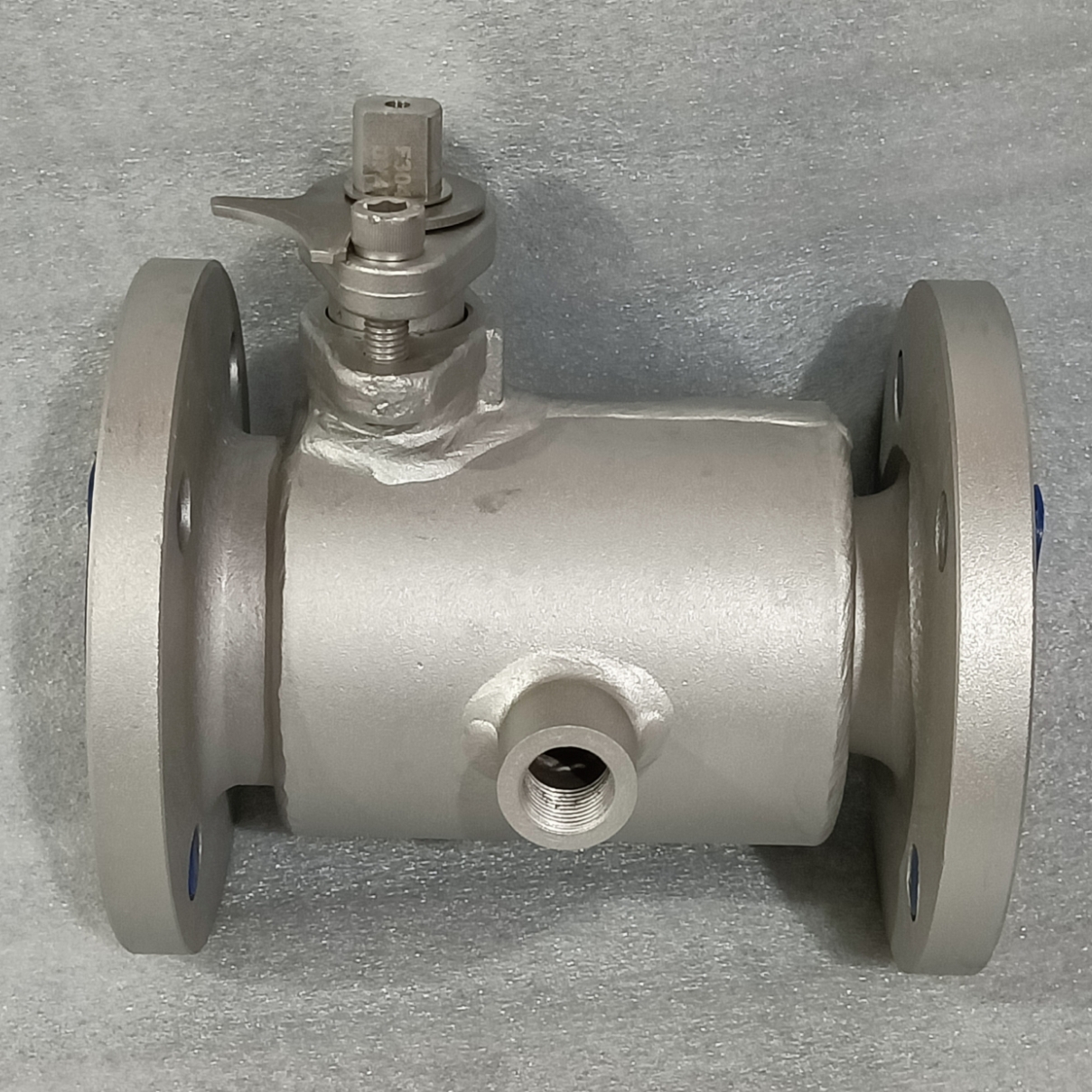
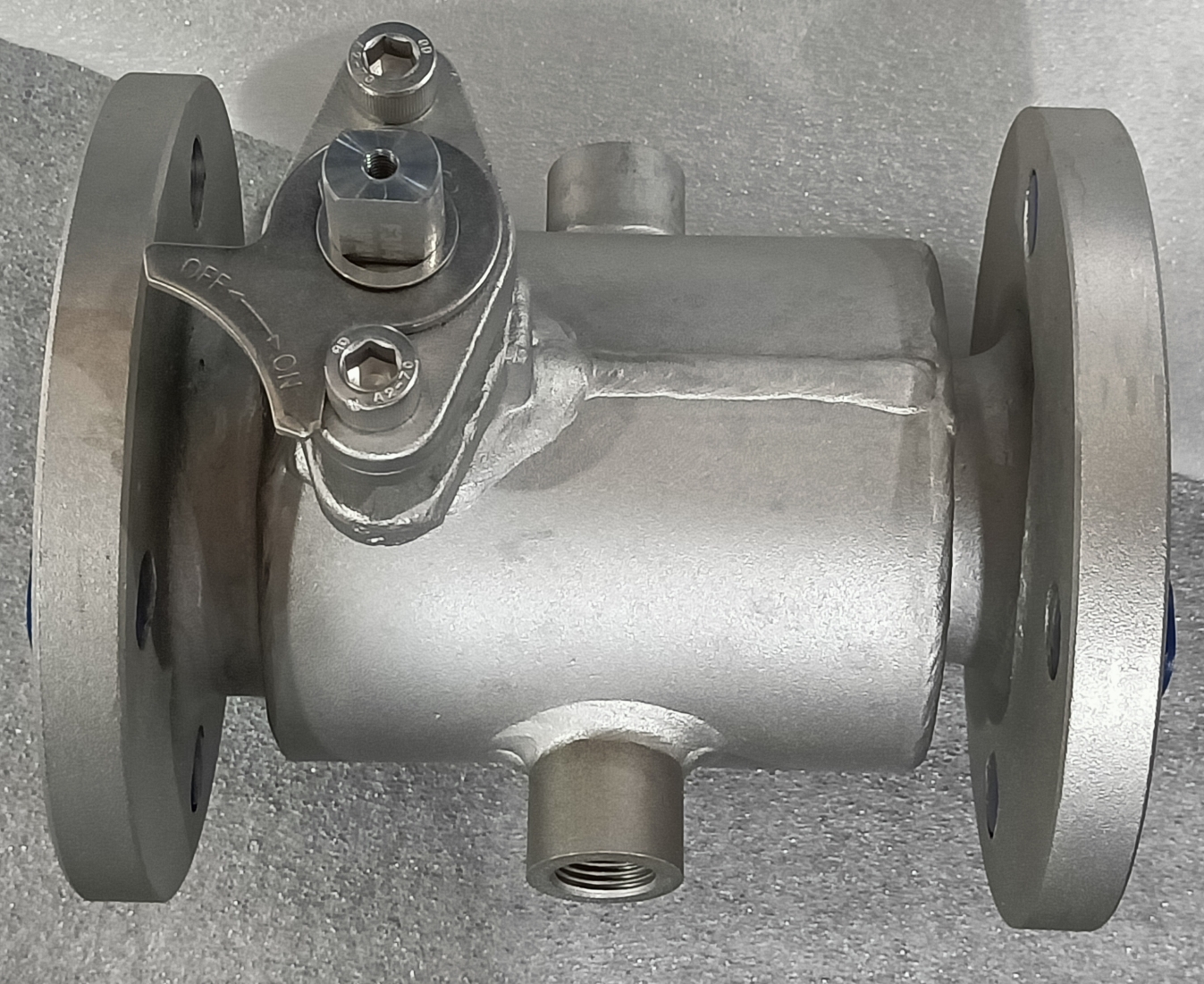
Summary
The jacketed ball valve is a high-efficiency temperature-controlled special valve integrating constant-temperature insulation, anti-crystallization anti-blockage, low-resistance conveying and reliable sealing. It perfectly makes up for the performance defects of ordinary ball valves in temperature-sensitive medium systems, effectively solving industrial problems such as medium solidification, pipeline blockage and unstable valve operation caused by temperature fluctuation. With independent dual-chamber structure, flexible switching performance and wide working condition adaptability, it simplifies pipeline heat preservation design, reduces system energy consumption and maintenance cost, and ensures long-term stable and efficient operation of temperature-sensitive fluid conveying pipelines. As a key customized valve for special process working conditions, the jacketed ball valve has irreplaceable application value in chemical, pharmaceutical, food, new energy and thermal pipeline industries.
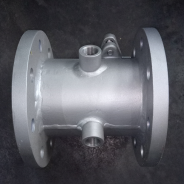
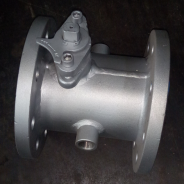
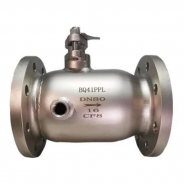
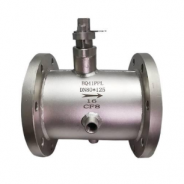
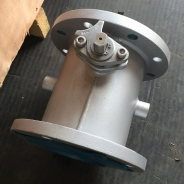
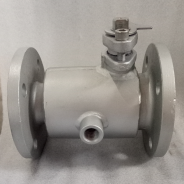
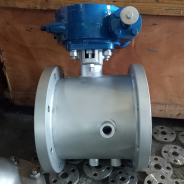
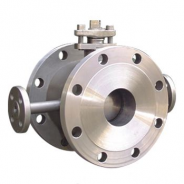
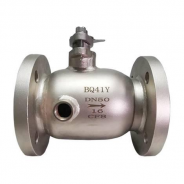
BQ41F BQ41PPL Jacketed Ball Valve
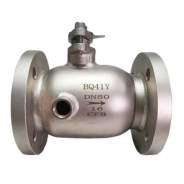
BQ41H BQ41Y Jacketed ball valve
Pneumatic ceramic lined Y type ball valve
3 Way ceramic lined Y type ball valve
Y type 135 degree ceramic lined ball valve
Y pattern 120 degree ball valve
Y pattern 135 degree ball valve
SHANGHAI HUIXUAN VALVE
Mobile:+86-17717520739
Wechat:17717520739
Email:info@shxvalve.com
Address: NO.720, Suide Road, Jiading District,Shanghai, China.



 微信扫一扫 添加我为好友了解更多  |